
Play-Based Therapy
Individualized to Each Child
No two children experience therapy the same way. Some children benefit from movement and hands-on activities, while others prefer art, storytelling, games, or conversation. Our therapists integrate play thoughtfully, selecting interventions that align with each child's strengths, developmental level, and treatment goals.
Whether a child is learning to identify emotions, navigate anxiety, improve relationships, build coping skills, process life experiences, or increase confidence, the playroom provides another avenue for meaningful therapeutic work.
Play is not separate from therapy—it is often the medium through which therapy happens. By meeting children where they are developmentally, play-based interventions can make therapeutic concepts more accessible, engaging, and effective while fostering a strong therapeutic relationship.
What Does Play-Based Therapy Look Like?
Our clinicians provide play-based therapy, which incorporates play and creative activities into counseling to support children's emotional and developmental needs.
While we do not currently have a Registered Play Therapist (RPT) on staff, our therapists intentionally use developmentally appropriate, evidence-informed interventions that help children communicate, regulate emotions, build coping skills, and engage meaningfully in therapy.
We'll work with you to determine whether our approach is the right fit for your child's needs and will gladly provide referrals if a more specialized service would be beneficial.
Play-based therapy doesn't mean children simply come to therapy to play. Every activity is selected intentionally and guided by the goals of treatment.
Depending on a child's age, needs, and preferences, a session may include:
Practicing emotional identification and expression through games, stories, art, or imaginative play
Building coping skills by learning and rehearsing calming strategies in developmentally appropriate ways
Strengthening frustration tolerance, flexibility, and problem-solving during structured activities
Improving communication and social skills through cooperative games and role-playing
Processing difficult experiences using symbolic play when verbal expression feels overwhelming
Increasing confidence by engaging in activities that promote mastery and resilience
Supporting executive functioning skills such as planning, organization, impulse control, and attention through therapeutic games and activities
Exploring family, school, peer, or behavioral concerns in ways that feel safe and accessible for children
While sessions may look different than traditional talk therapy, the work remains purposeful, evidence-informed, and individualized to each child's therapeutic goals.
The Playroom
A Space Designed for Children
-
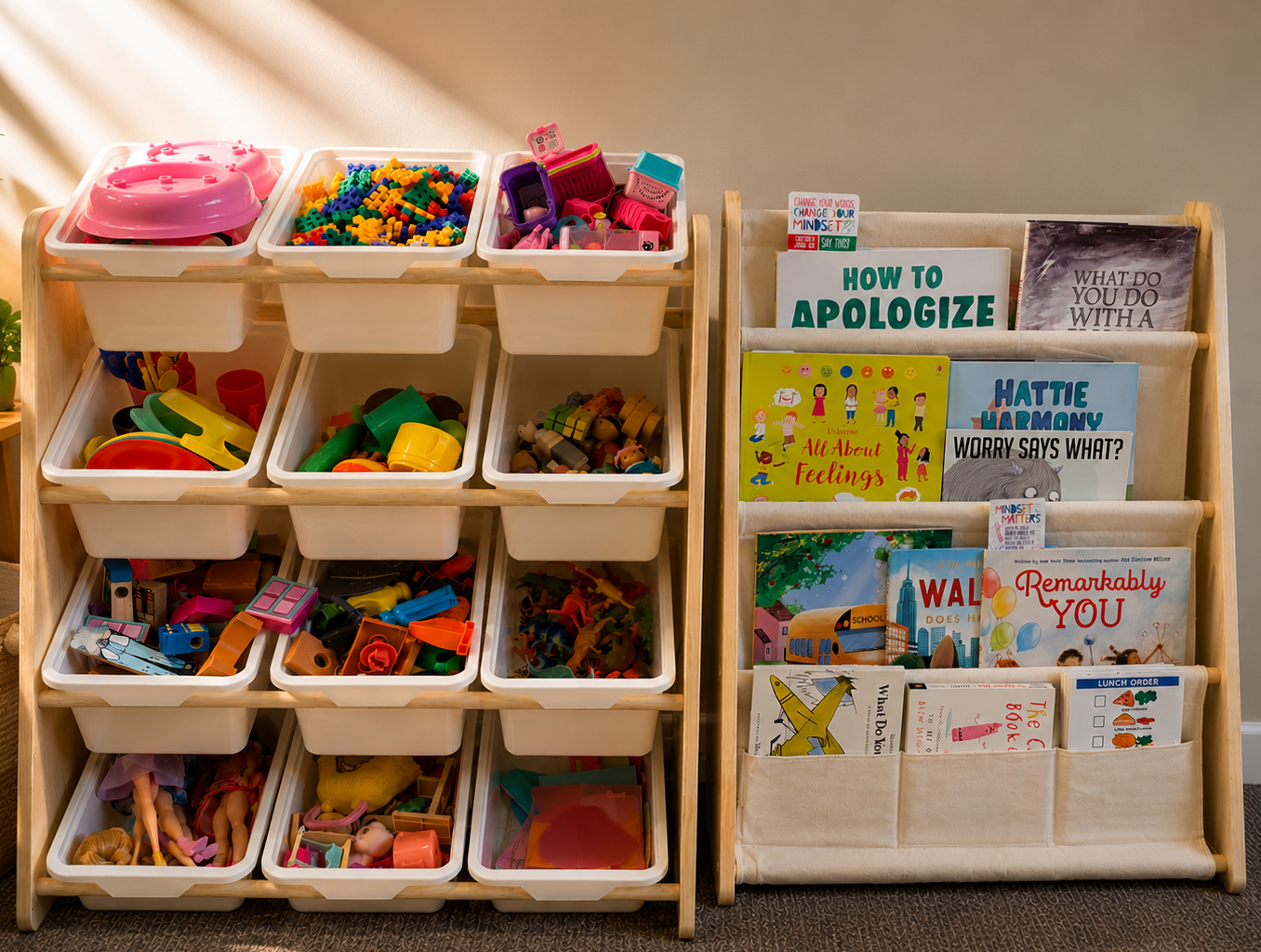
The playroom includes a variety of materials chosen to support emotional, cognitive, behavioral, and social development, including:
Creative and expressive materials
Developmentally appropriate toys
Therapeutic games
Sensory-based resources
Activities that support emotional regulation, communication, and executive functioning
Spaces for both active movement and quieter, reflective activities
The environment allows therapists to adjust interventions based on each child's developmental level, interests, and clinical needs while maintaining a safe and engaging therapeutic experience.
Every aspect of the playroom is intentionally selected to support clinical work through play, creativity, movement, and imagination. We recognize that children often communicate differently than adults, and therapy is most effective when it meets them where they are. Instead of relying solely on conversation, children can express emotions, process experiences, practice coping strategies, build confidence, strengthen problem-solving skills, and develop healthy relationships in ways that align with their developmental stage. These activities allow therapy to feel natural while supporting meaningful emotional growth and skill development.



Could This Be the Right Fit?
If you're looking for a therapeutic approach that meets your child where they are developmentally, play-based therapy may be a good fit. During the intake process, we'll take time to understand your child's strengths, concerns, and goals to determine whether our playroom and therapeutic approach are appropriate for their needs. Every child's treatment is individualized, and play is incorporated when it supports meaningful clinical progress.
You can contact us below and we'd be happy to answer your questions, discuss your child's needs, and help you determine whether our services are the right fit for your family.
FAQs
-
Play therapy can support children experiencing a wide range of emotional, behavioral, and developmental challenges, including:
Anxiety and excessive worry
Trauma or stressful life experiences
Grief and loss
Emotional regulation difficulties
Behavioral concerns
ADHD and executive functioning challenges
Autism and neurodivergence
Family transitions, including divorce or separation
School-related concerns
Low self-esteem
Social or relationship difficulties
-
While it may look like play, every activity is chosen with intention. Play therapy provides children with opportunities to express emotions, develop new skills, process difficult experiences, and strengthen their sense of safety and confidence. Your therapist is carefully observing themes, patterns, emotions, and interactions while supporting your child's growth.
-
Children naturally play to learn about the world. In play therapy, however, play becomes a therapeutic tool. The therapist intentionally uses the therapeutic relationship and carefully selected materials to help children explore emotions, practice problem-solving, develop coping strategies, and process experiences that may be difficult to put into words.
-
Yes. Parents and caregivers play an important role in the therapeutic process. Depending on your child's age, goals, and needs, your therapist may provide parent consultations, share observations, offer strategies to support your child at home, and involve you in portions of treatment when appropriate.
Because children benefit from having a private therapeutic space, there may also be times when sessions occur without parents present. Your therapist will discuss what approach best supports your child's growth.
-
Every child is different.
Some children benefit from short-term support around a specific concern, while others benefit from longer-term therapy to address more complex experiences or ongoing challenges. Together, we'll develop a treatment plan based on your child's unique needs and regularly review progress along the way.
-
Progress doesn't happen overnight, and it doesn't always look the way parents expect.
It also doesn't always look like a child talking more about their feelings. Many parents notice changes such as improved emotional regulation, increased confidence, stronger relationships, fewer behavioral concerns, better communication, or greater flexibility in handling challenges. Your therapist will regularly discuss your child's progress and collaborate with you throughout treatment.
-
It's completely normal for children to feel uncertain about something new.
Our therapists take time to build trust and create a welcoming environment where children feel safe and accepted. We never force participation or expect children to open up immediately. Building a strong therapeutic relationship is an important part of the healing process.
-
Every child deserves therapy that honors the way they naturally experience and interact with the world.
Our therapists use neuroaffirming, individualized approaches that build upon your child's strengths, interests, communication style, and sensory needs. Therapy is never about changing who your child is—it's about helping them feel understood, supported, and empowered.
-
Absolutely.
Children don't exist in isolation, and meaningful progress often happens when parents and caregivers feel supported as well. We'll work collaboratively with you by offering guidance, answering questions, sharing strategies, and helping you better understand your child's emotional and developmental needs.