
Clinical Ideas,
Real Talk.
Welcome to the Free Mental Health Blog from Clear Water Wellness.
Here we share insights, evidence-based strategies, and practical tools to support emotional wellness for individuals, families, athletes, and professionals. Browse posts on mental health, performance, anxiety, self-care, parenting, and more — written by licensed clinicians dedicated to helping our Berks County community and beyond thrive.


Why Small Things Sometimes Feel Like the Last Straw
Let’s take a look at cumulative stress, reduced capacity, sensory overload, and the way earlier stressors can influence a response to an otherwise minor event.

The Thoughts We’re Afraid to Say Out Loud
Talking about suicide can feel frightening—not only because of the thoughts themselves, but because of what someone fears may happen if they tell someone. Explore how suicide-related stigma can create shame, silence, and barriers to seeking support, and why compassionate, direct conversations matter.

When Therapists Ask About Suicide: What They’re Really Trying to Understand
What happens when a therapist asks about suicide? Learn what suicide risk assessment actually involves, why therapists ask direct questions, and how trauma-informed care can make these conversations feel safer.

Thinking About Starting Therapy? Signs, Tips, and What “Readiness” Really Means
Thinking about starting therapy but unsure if it’s the right time? This blog explores common signs that therapy might be helpful, what to expect when beginning, and when therapy may not be the right fit. With a gentle, non-judgmental approach, it reframes therapy as a proactive form of self-care and not just a response to crisis by offering guidance for navigating readiness, fit, and emotional pacing.
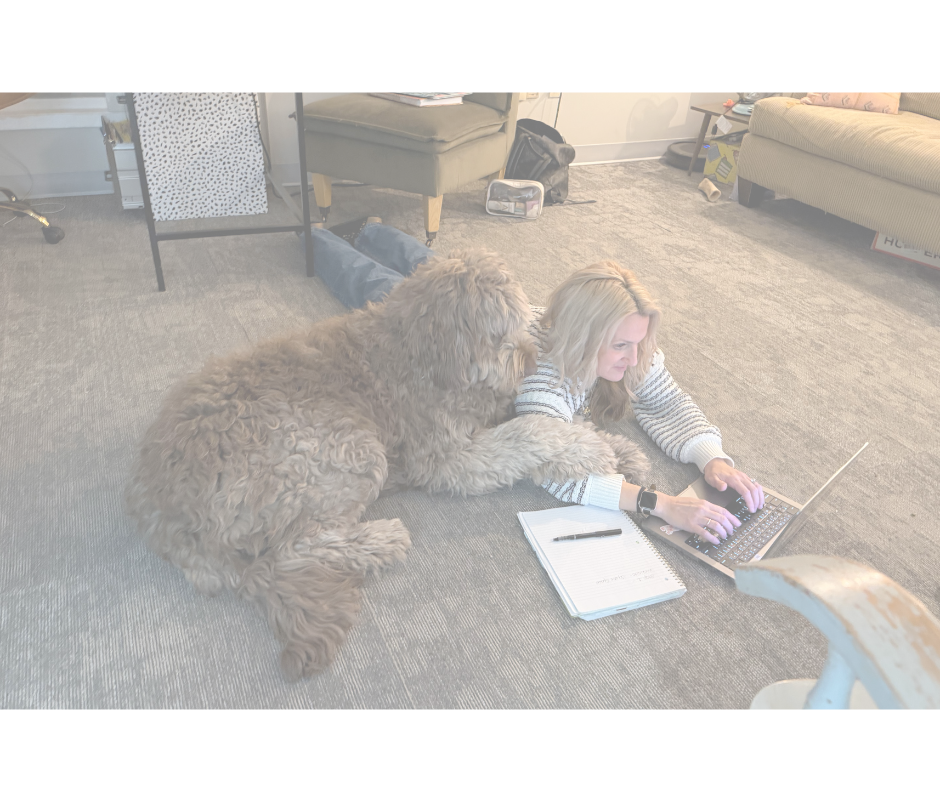
The Back-to-School Reset: Helping Children and Teens Rebuild Routines Without the Pressure
Back-to-school transitions can bring stress, anxiety, and emotional overwhelm for children and teens. Learn how sleep, routines, realistic expectations, flexibility, and connection can support a smoother transition without pressure.

Why Support Groups Work: Healing Through Shared Emotional Reality
Support groups offer a space where people can step out of isolation and into shared understanding with others facing similar emotional challenges. This article explores how support groups help by normalizing lived experience, reducing shame, and fostering connection through peer support. It highlights how being witnessed by others can shift emotional burden into shared resilience and make healing feel more accessible.
Raising Brave Humans: How to Build Real Confidence in Your Child (Without Accidentally Raising a Mini Perfectionist)
Confidence in children isn’t about making them feel special all the time. It’s about helping them feel capable. Kids build real confidence when they’re allowed to try, struggle, make mistakes, and recover with support. When parents praise effort over traits, allow age-appropriate challenges, and regulate before correcting, children learn a powerful internal belief: “I can handle this.” Over time, those small moments of resilience become the foundation for lasting self-trust and emotional strength.

Your Child Is Allowed to Be Bored: Why Boredom Is Good for Child Development
Does your child constantly say, "I'm bored"? Learn how boredom supports creativity, independence, emotional growth, and healthy child development—and why parents don't need to fix it immediately.
Hidden Family Tension: When Seasons Change Faster Than Kids Can Adjust
Spring may bring warmth and sunshine, but it can also illuminate hidden stressors. Recognizing patterns, applying practical strategies, and understanding your child’s body and mind’s responses can help you navigate family tension with greater balance and ease.
Spring Doesn’t Automatically Fix Everything: Understanding Seasonal Transitions and Mental Health
Spring is here… but your mood didn’t get the memo? Not everyone blooms on cue. Longer days and warmer weather often don’t automatically fix the winter blues. This post covers practical tools for navigating seasonal changes. It’s not glamorous, but it actually works.